

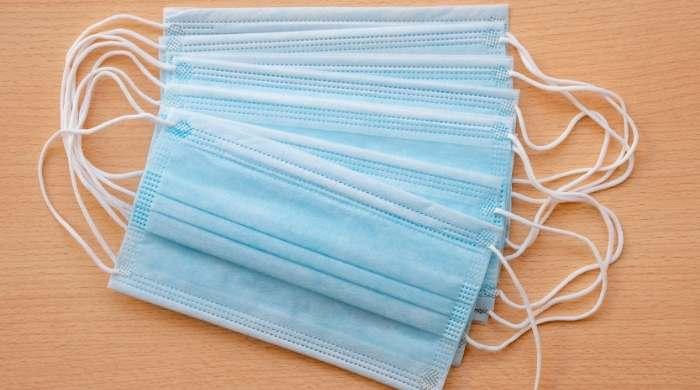
Face masks have become our new go-to accessory when in public, and they won’t be going away any time soon. Wearing a mask can be particularly challenging for people with disabilities—they are uncomfortable, distracting and new.
Keshet staff have tips and resources for helping people learn to tolerate face masks so that they can more safely participate in the community.
Advice from Keshet Experts
Find a favorite fabric
-Sue Sieber, DSP/Case Manager
High interest designs, such as super heroes, animal prints, space, etc. may make it more tolerable. Remember to lead by example an wear your mask too.
Practice using play
-Lauren Feldman, MY Life Program Manager
As much as you can, give kids time to practice wearing their masks before they might need to wear one outside of your home. With younger kids, introduce masks during play. Kids can pretend to be a doctor or nurse while wearing their masks. They might want to use a doctor kit and "take care" of a stuffed animal or doll. Have a few masks handy to engage their imaginations. You can ask your child to put a mask on a stuffed animal, and then ask follow-up questions about why the stuffed animal is wearing the mask. Depending on your child's response, you can clear up any confusion and offer reassurance.
Be a hero
-Abby Baron, Volunteer Coordinator
Make a connection between wearing a mask and the community helpers (doctors, fire fighters, police officers) who also wear them to keep themselves and others safe.
Try out different types and use rewards
-Jen Evans, Director of Recreation
Try finding a mask that feels comfortable. Material that is light, breathable (I know, it is an oxymoron), least restrictive, and soft. Introduce the mask by wearing it around the house for a few minutes at a time. Build up the amount of time worn at home. Pair wearing a mask with something positive if your child is resistant. Example, try wearing the mask for five minutes and pair with a treat. Every time the child tolerates wearing a mask longer periods of time increase the reward.
Use social stories
-Dara Jacobs, Speech Language Pathologist
Read social stories and watch videos to explain why we are wearing masks and when we are expected to wear them, for how long, and that they will see others wearing them. Since masks have different ear pieces, each person will be comfortable in different ones. Try a few out!
Begin with a hole
-Erica Schwab, Behavior Consultant
After using social stories and videos about wearing masks, it is important to have the mask become part of an already established routine. It will be helpful to desensitize them to a new accessory by breaking the expectation down into very small increments; exposing them and practicing for short periods of time; and using reinforcement upon completion of that goal. The demands and the lengths of time they are required to engage will increase slowly. Each person will move along according to their individual needs. It may be necessary to start by cutting a big hole in the front of the mask so they just have to get used to wearing the part around their ears or head. As they progress and are familiar with the process, the size of the whole will decrease as well. Modeling, brief exposure, and reinforcement are key.
Articles & Resources
Helping Kids Get Used to Wearing Masks | kidshealth.org
Helping a Child with Autism Tolerate Wearing a Face Mask | yahoo.com
Some Autistic People Can’t Tolerate Face Masks. Here’s How We’re Managing with Our Son. | The Washington Post
Wearing a Mask For Kids (video) | Dr. Meg at Cincinnati Children’s Hospital
COVID-19 Information By and For People with Disabilities | SARTAC Green Mountain Self Advocates
Social Stories
Masks Keep Us Safe (PDF) and Masks Keep Us Safe (video) | Easterseals Illinois Autism Partnership
I Can Wear a Mask | Cincinnati Children’s Hospital
Wearing a Mask Social Story | ASERT
We Wear Masks | Mike McGovern
Seeing Other People Wearing Masks | Autism Little Learners
Wearing a Mask- A Social Narrative for Children (video) | Autism Little Learners
Explained to Kids: Why We Are Wearing Masks (video) | Shandy Clinic
Wearing a Mask and How It Makes Us Feel (video) | Amanda Wallis
Thank you to all of the Keshet staff who contributed information and resources for this article: Abby Baron, Laura Bubly, Jen Evans, Lauren Feldman, Alene Frost, Debbie Greenspan, Debbie Harris, Rena Herzfeld, Dara Jacobs, Lisa Lew, Amy Patel, Erica Schwab, Sue Sieber and Lynda Wallis.
All News