

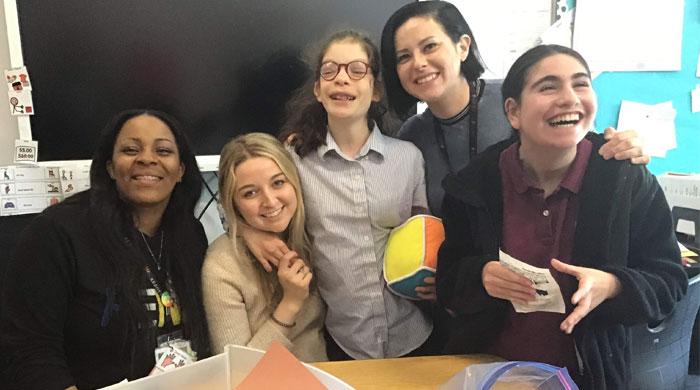
We have all been handed a large bag of lemons. Kids are home, schools are closed, social events are being cancelled, play dates and just anything you can think of is impacted with the surge in COVID-19. We understand that these measures are being taken for the greater good, but it is still a trying time, especially for parents of children with special needs. With schools closing for two weeks, four weeks or more, now is the time to think of how to make these long days less difficult for us as well as our children.
1. Replicate the Structure of School in Your House
Our children need structure and some predictability in their day. Change is hard on everyone, but even more so for kids with special needs. Their lives are being turned upside down without their regular comings and goings of school, therapy and programming. Setting a predictable routine and schedule will go a long way to controlling behaviors.
Depending on the needs of your child, your home schedule can be simple or very detailed. I suggest making a visual schedule and posting in prominently in your home that lays out the entire day from wake up to bed time. These schedules will be best organized in 30-60 minutes blocks of time.
You can see examples of schedules here. For children with special needs, make sure to also include:
- Handwashing times.
- Time each day that is Kids’ Choice. You make the list of possible choices and your child can choose which activity to do.
- Dedicated screen time to let your child know when to expect to be able to play on tablets or other devices.
- Breaks. Build in more breaks than than you think your child would need.
You should also consider displaying a calendar and discussing the day of the week with your child. School days are likely to feel like weekends to kids because they are at home. This can be confusing and frustrating. By reviewing a calendar each morning, it will help establish for your child what the expectations are for that day.
2. Set Up a Work Space
For many of your kids, this is the first time that they will be required to do academic work at home. Engage your child in creating a school work space in your home. This could be the end of the dining room table or a small card table that you move into a corner of the family room. students are used to associating certain spaces with particular work. If you create a new place that is especially for school work, it will help your child know what to do in that space. Being firm about what happens in that space and that it is just for school work, will help students make this association after a few days.
3. Maintain as Much Normalcy as Possible
Think about your family’s normal schedule and how to adapt to staying primarily at home. If you always have tacos on Tuesday, then keep this routine going. If you generally see grandparents on Sundays, but cannot visit now, try Facetime or a phone call instead. Most importantly, keep bed time consistent. (This is good advice for kids and parents.)
4. Use Screen Time Smartly
Screen time is a challenge. Kids live for it and parents struggle with how to allow it. I suggest setting timers and using them, but also be reasonable. If you ask your child to turn off a screen when the timer goes off and they fight you, set boundaries but remain flexible and avoid the power struggle. If they are finishing a video, let them finish and then take the screen away until the next screen time break. avoid the power struggle.
5. Find a Calm
Our kids feed off of our anxiety and fear. We are stressed with work and how to manage having kids home for an unknown period of time. Conversations with others, body language and tone are all observed by our children. You may think your phone call was private or behind closed doors, but the tension is felt by our kids. The National Association of School Psychologists has put together a great list of resources for talking with kids about Coronavirus. I also like this social story to help give your kids context for the changes that are taking place. You can find other useful and free social stories at Teachers Pay Teachers. This one from Autism Speaks about the flu might be useful too.
Keep in mind that no matter how well prepared you are, behaviors will happen. It's normal that kids will resist. When a new routine is introduced, it can be met with anxiety and unexpected responses. Stay the course, keep as consistent as possible. Take a deep breath and know that you are not alone. We’re here, and so are your friends and neighbors, to help in any way we can during this new normal.
Jennifer Evans is the Director of Recreation at Keshet. Prior to this role, she spent 15 years as the social worker at Keshet’s Ariella Joy Frankel Day School. Her original title for this article was Making Beer Out of Corona. She hopes that you’ll be able keep some humor with the next few days and weeks that are likely to be particularly challenging for parents of children with disabilities and special needs.
All News